
Oncology and day-care chemotherapy software. The regimen runs the calendar.
A day-care oncology unit is a scheduling problem wrapped around a safety problem. A patient on a protocol has their next several months already determined — cycle length, day of cycle, drugs, doses — and each of those visits needs a chair, a nurse, a pharmacy preparation and a set of blood results that either permit the cycle to proceed or do not.
Very little general hospital software knows what a regimen is. It can record a chemotherapy administration as a procedure and a drug as a charge, which means the protocol lives in the oncologist’s head and on a printed sheet, dose calculations are done on a calculator, and nobody can tell on Monday how many chairs Thursday needs.
What is oncology day-care software?
Oncology day-care software is organised around the treatment protocol: a patient is enrolled on a named regimen, which generates the cycle calendar, the drugs and the dose calculation for each day of each cycle; visits are scheduled against chair and nurse capacity; pre-treatment blood results gate whether a cycle proceeds; and preparation, administration and billing all reference the same regimen rather than being entered separately.
What the system has to do
Regimen-driven scheduling
Enrolment on a named protocol generates the cycle calendar months ahead, so capacity is a plan rather than a weekly surprise.
Dose calculation from the record
Body surface area and carboplatin-style renal dosing computed from live height, weight and creatinine, with dose reductions recorded as decisions rather than as a different number.
Pre-treatment gating
Counts and biochemistry checked against protocol thresholds before the chair is committed, so a patient is not brought in for a cycle that will be deferred on arrival.
Chair and nurse capacity
Day-care slots allocated by chair, infusion duration and nursing ratio, because a four-hour infusion and a fifteen-minute injection are not the same booking.
Cytotoxic handling and waste
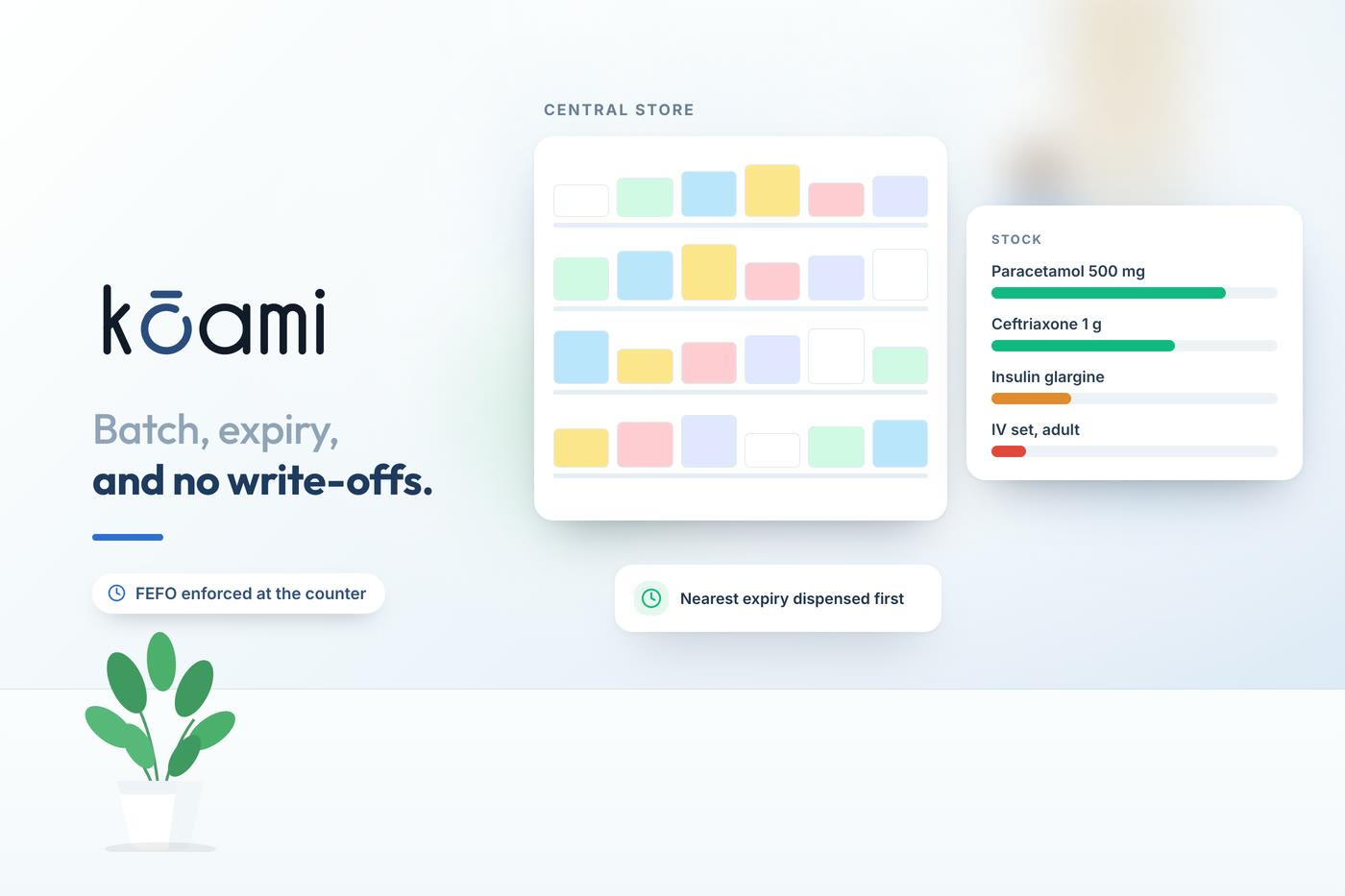
Preparation recorded against the order with batch and expiry, vial sharing accounted for, and cytotoxic waste tracked as the regulated stream it is.
Scheme and package billing
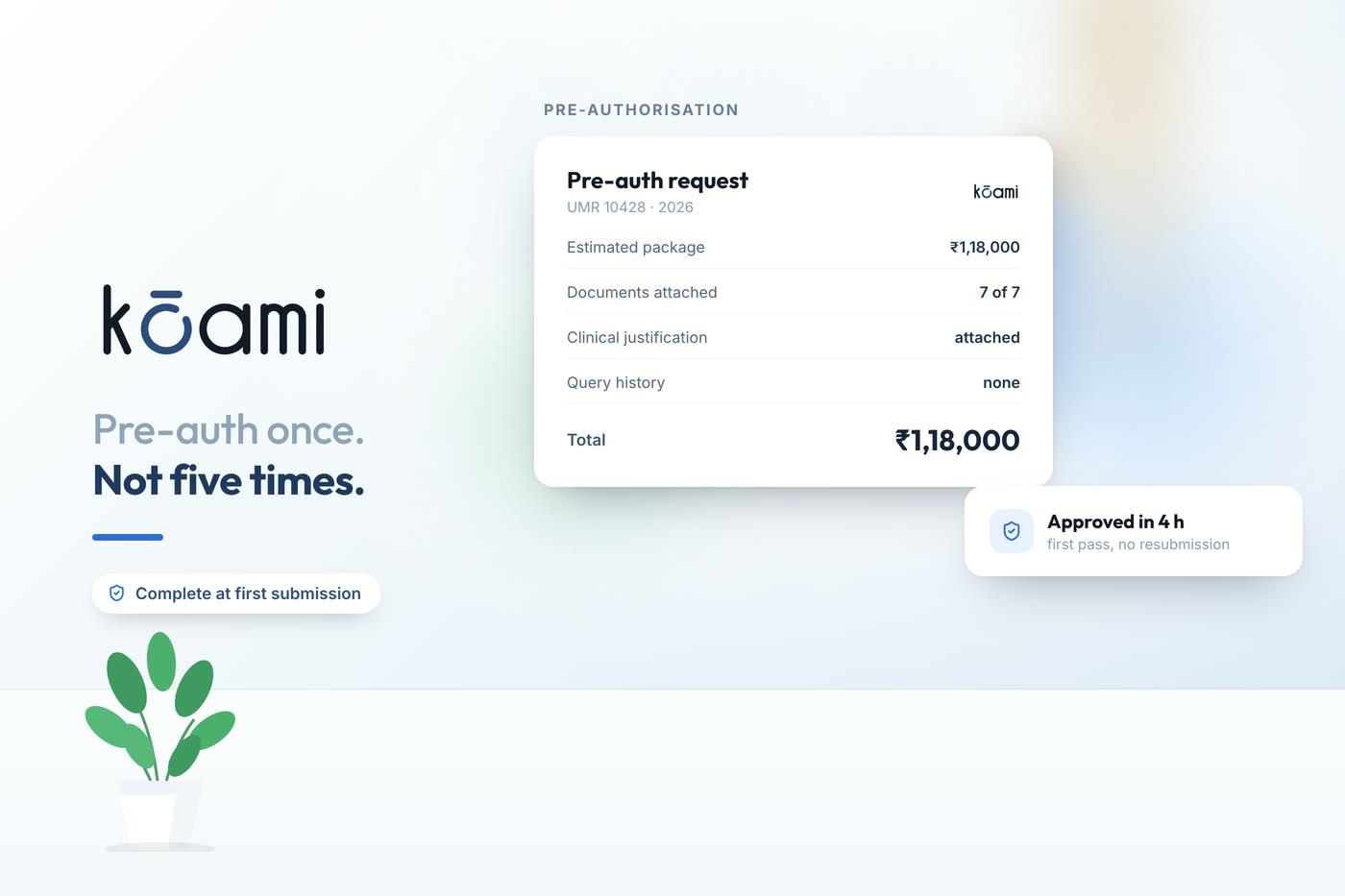
High-value drugs priced against scheme rules and pre-authorisation, with what was actually prepared and administered driving the bill.
What to test in an oncology demo
Bring one real regimen and one patient needing a dose reduction. Neither is unusual and both break generic systems.
- Enrol a patient on a named regimen and show the next three cycles scheduled automatically.
- Calculate a dose from live height, weight and creatinine, and show the working.
- Apply a dose reduction and record who authorised it and why.
- Gate a cycle on a low neutrophil count and show what the unit sees.
- Allocate chairs for a Thursday with three long infusions and six short ones.
- Record a preparation with vial sharing and show the stock consumed.
- Bill a cycle under a scheme with pre-authorisation, from what was administered.
- Produce a patient’s complete treatment history across cycles and lines of therapy.
How it connects
Kōami Hospital
The day-care unit on the same identity as the oncology OPD, the ward and the diagnostics that gate each cycle.
Read morePharmacy management software
Preparation, batch and expiry, vial accounting and the controlled handling high-value cytotoxics require.
Read moreHospital billing software
Scheme rules and pre-authorisation against drugs whose cost per cycle makes an unbilled item expensive.
Read moreDialysis management software
The same recurring-session shape, if your group runs both units.
Read moreGo deeper
Frequently asked questions
Bring one regimen
One protocol, one patient needing a dose reduction, one Thursday of chairs. Those three show you how a system really handles day care.
Book a demo