
Dialysis management software. The chair-shift is the unit of work.
A dialysis unit is the one part of a hospital that runs like a factory and is almost always managed like a clinic. The same patients return three times a week for years, each occupying a specific chair, on a specific machine, in a specific shift, consuming a dialyser and a bloodline set and generating a bill that a scheme usually pays.
General hospital software handles this badly, and it does so in a consistent way: it models a dialysis session as an OPD visit. That single decision is the origin of most of the complaints. A visit is an episode; a session is one instance of a standing schedule, and the difference surfaces in scheduling, in stock, in billing and in every report the nephrologist asks for.
What is dialysis management software?
Dialysis management software runs a renal unit on the chair-shift rather than the appointment: patients are assigned to a recurring slot on a grid of chairs times shifts times days, each session records the clinical parameters, the machine, the dialyser and its reuse count, and the consumables actually used, and session completion generates the charge against the scheme or payer covering it.
What the system has to do
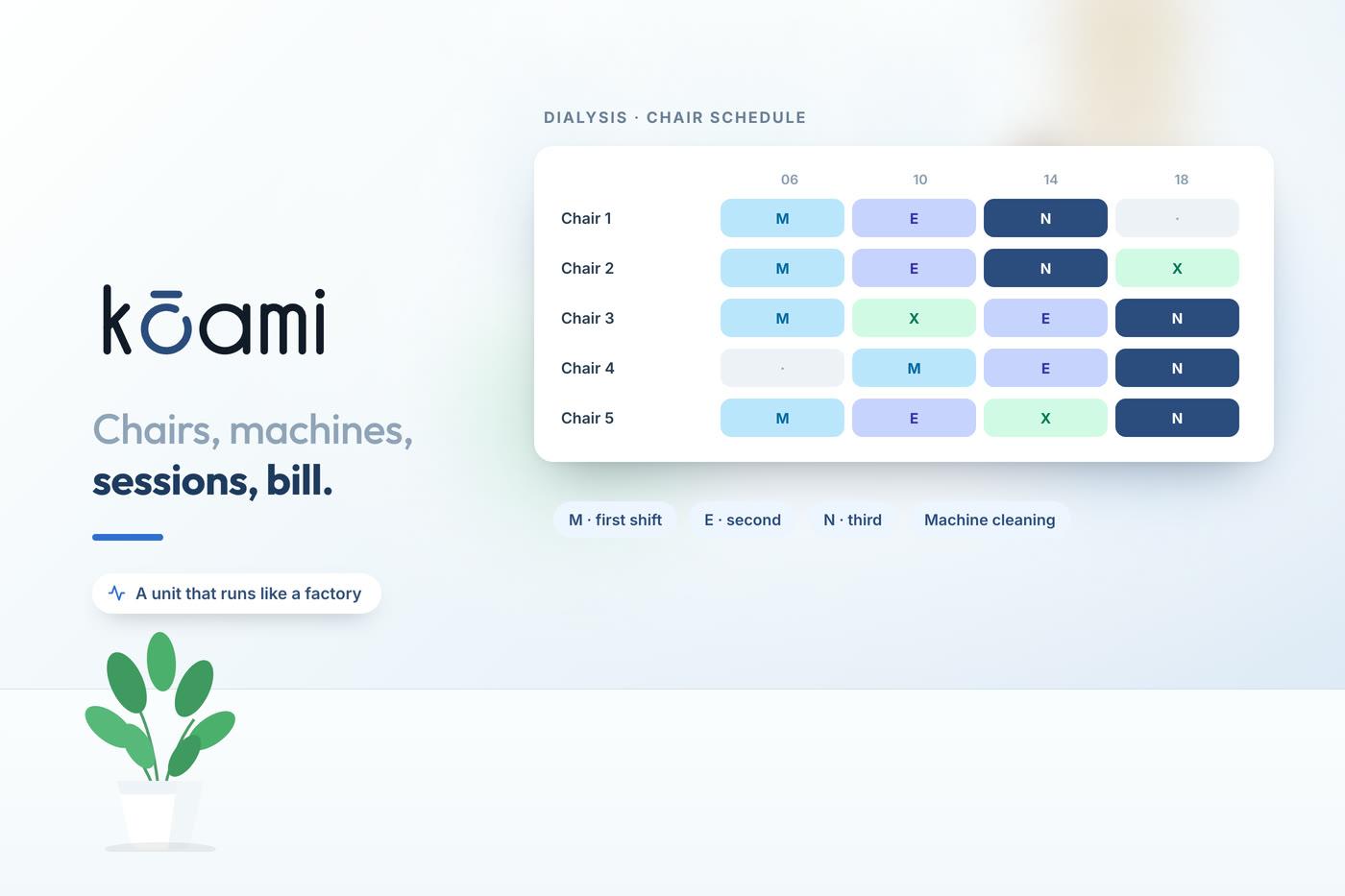
Chair-shift scheduling
A weekly template assigning a patient to a chair and shift, with cancellations, holidays, inpatient moves and machine servicing handled as exceptions against it rather than as fresh appointments.
The session record
Pre and post weight, target and achieved ultrafiltration, blood pressures through the session, access used, interruptions and the staff on it — one record that is also the billable unit.
Dialyser reuse tracking
The dialyser tied to the patient with its reuse count, so a protocol-governed and auditable number is a data field rather than a card taped to the machine.
Isolation rules enforced
Seropositive patients restricted to dedicated machines and areas by the scheduler itself, not by the memory of whoever is on duty.
Consumables from real usage
Dialyser, bloodlines, needles, heparin and in-session medication consumed from the same stock ledger as the pharmacy, priced from what was used rather than a standard assumption.
Automatic session billing
Completion generates the charge, split across scheme, panel and cash, so four hundred small bills a month do not each need a human.
What to test in a dialysis demo
Bring one week of your session register and one scheme’s payment file. Both expose more than any feature list.
- Show the chair-shift grid for a week, and the unit’s utilisation against chair-shifts available.
- Cancel one session and show how the freed slot is offered.
- Assign a hepatitis B positive patient and show the system refuse a general machine.
- Record a session with a reused dialyser, and produce that dialyser’s reuse history.
- Take a machine down for service and relocate the patients on it.
- Complete a session and show the charge generated, with consumables priced from actual use.
- Produce Kt/V or URR by patient over six months, with below-target sessions flagged.
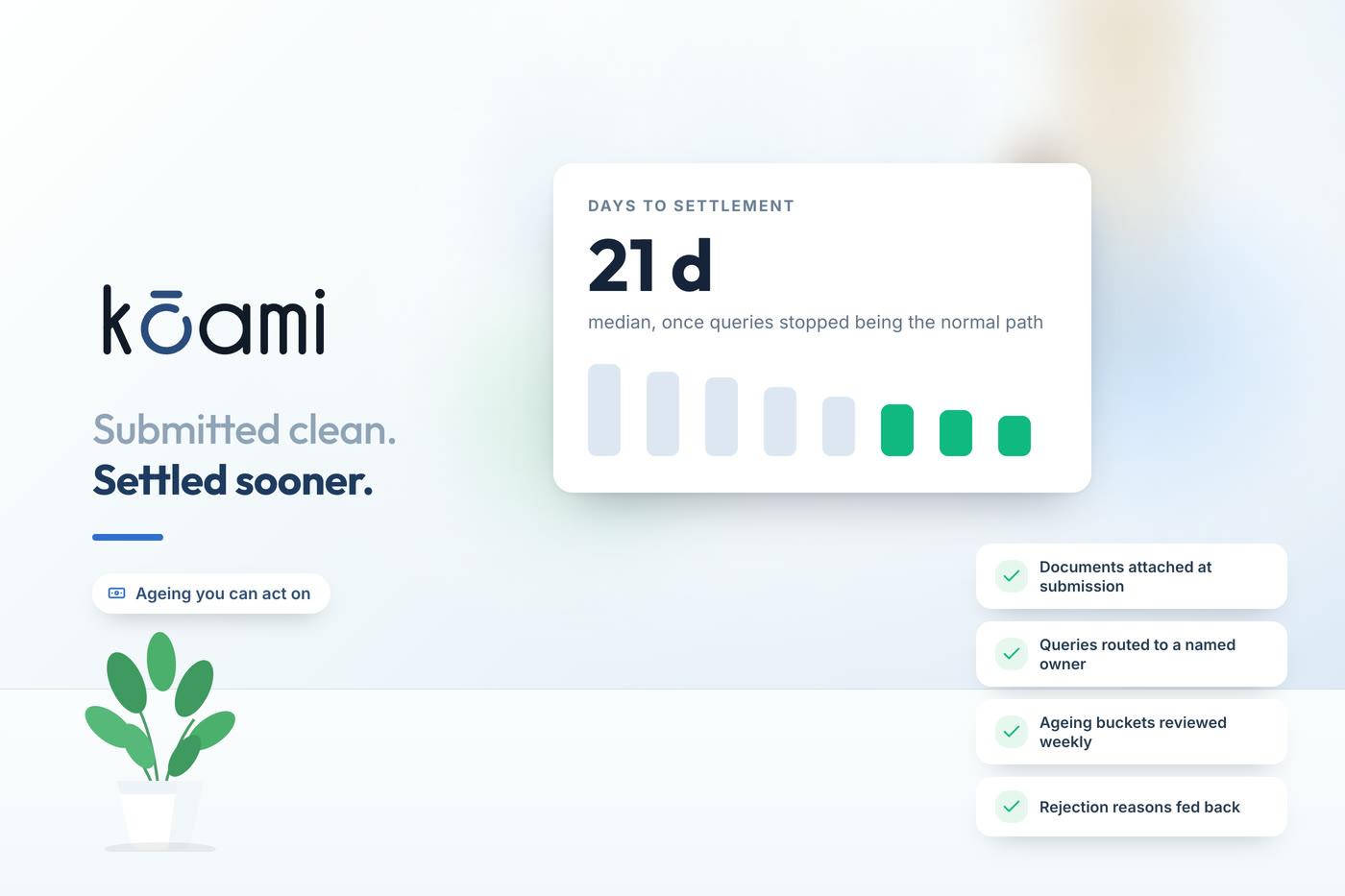
- Reconcile a month of scheme payments against sessions delivered.
How it connects
Kōami Hospital
The unit sits on the same patient identity as the nephrology OPD and any admission, so a dialysis patient admitted to a ward is one record.
Read moreKōami Inventory
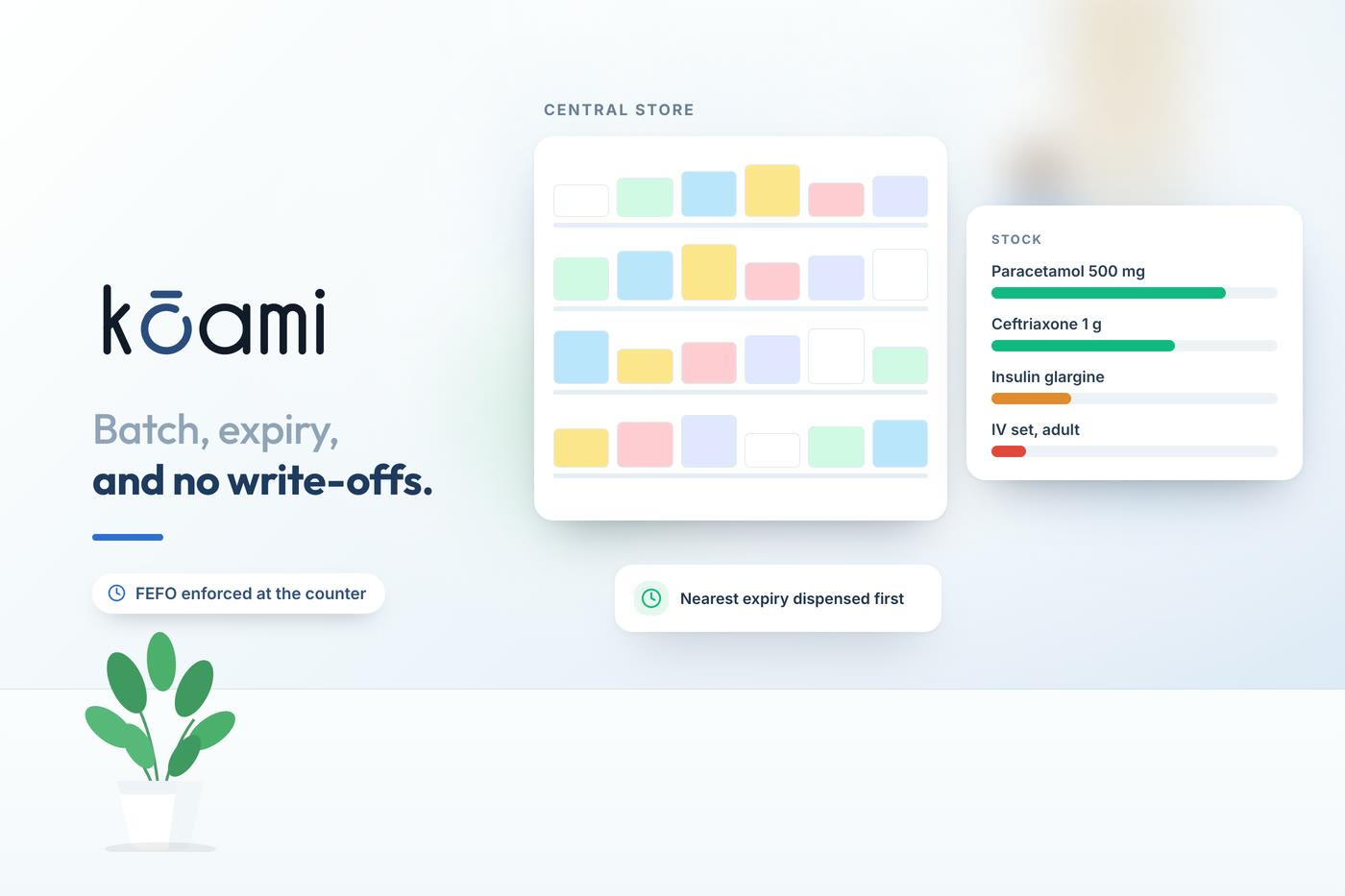
Dialysers, bloodlines and heparin drawn from the same multi-store stock with batch and expiry as the rest of the hospital.
Read moreHospital billing software
Session charges, scheme splits and the receivables view a unit manager actually needs, per payer and per month.
Read moreBiomedical equipment management
Machine service history and downtime, which is a scheduling fact as much as a maintenance one.
Read moreGo deeper
Frequently asked questions
Bring a week of your session register
One week of sessions and one scheme’s payment file. We will show you the chair-shift grid, the reuse count and the charge a completed session generates.
Book a demo