
Diagnostic centre software. Lab and imaging, one patient.
A diagnostic centre lives or dies on turnaround and on report delivery. The clinical work is often straightforward; the operational work — getting the right sample from the right patient, reported by the right person, to the right referrer, on time — is where the business is won.
Most centres run pathology on one system and imaging on another, which means one patient exists twice and the combined report a referrer wants has to be assembled by hand.
What is diagnostic centre software?
Diagnostic centre software runs a standalone pathology and imaging operation: patient registration and billing, test ordering, barcoded sample collection, analyser interfacing and result validation for the laboratory, modality worklist and reporting for imaging, and delivery of approved reports to patients and referring doctors — with turnaround measured across the whole chain rather than per department.
What the system has to do
One patient, both departments
Pathology and radiology on a single identity, so a patient having bloods and a scan is one registration, one bill and one set of reports.
Registration and billing
Fast counter registration with a tariff engine handling walk-in, corporate, camp and referrer rate cards without the clerk calculating.
Barcoded collection
Sample collection recorded against the patient and the sample, which is where most pre-analytical errors are either created or prevented.
Analyser interfacing and validation
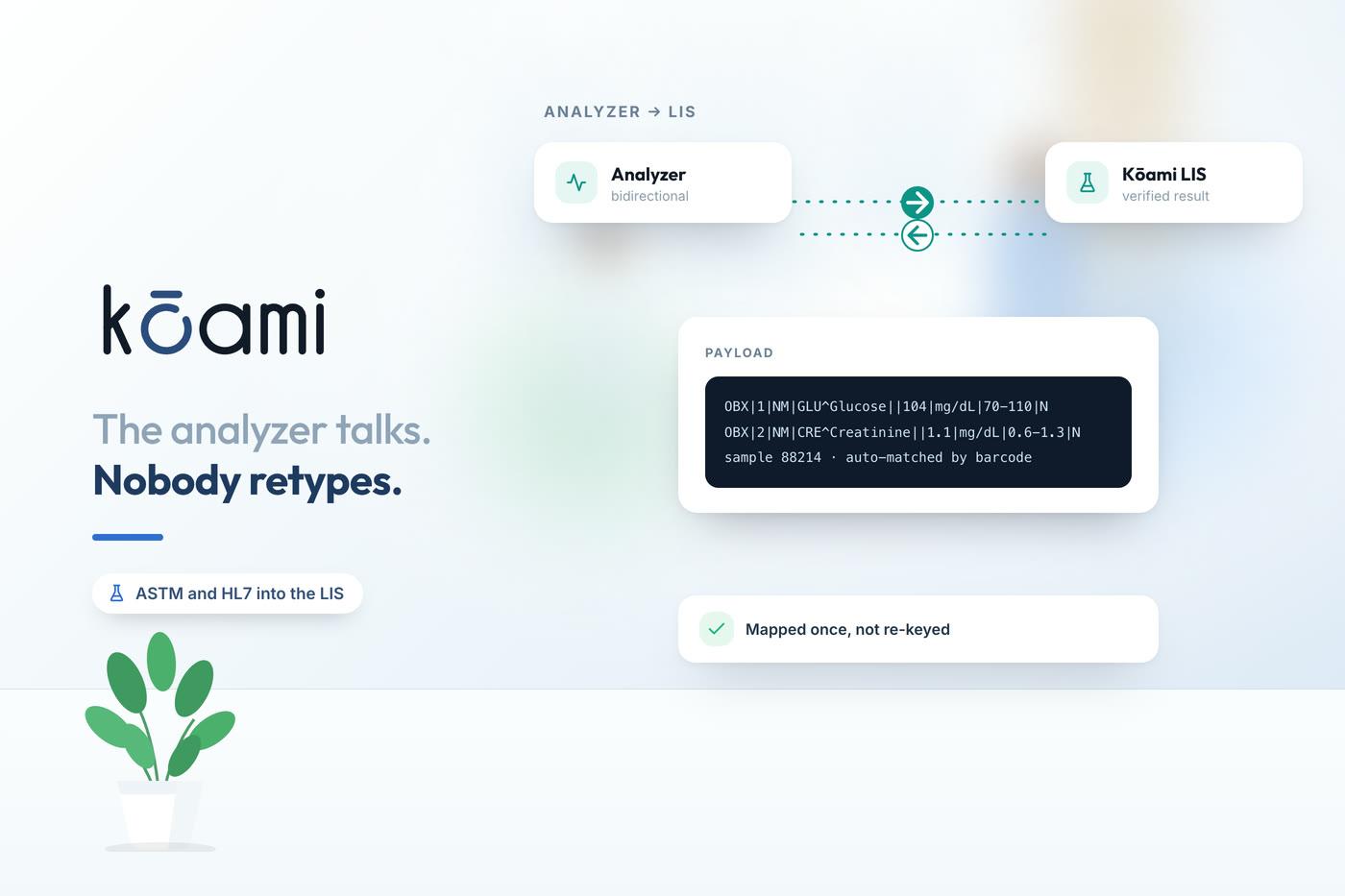
Results arriving electronically rather than typed, held for validation by rule, and released by a named approver with the release recorded.
Browser imaging
Zero-footprint DICOM viewing with slice streaming, structured reporting and secure expiring share links so an external reporter needs nothing installed.
Report delivery and TAT
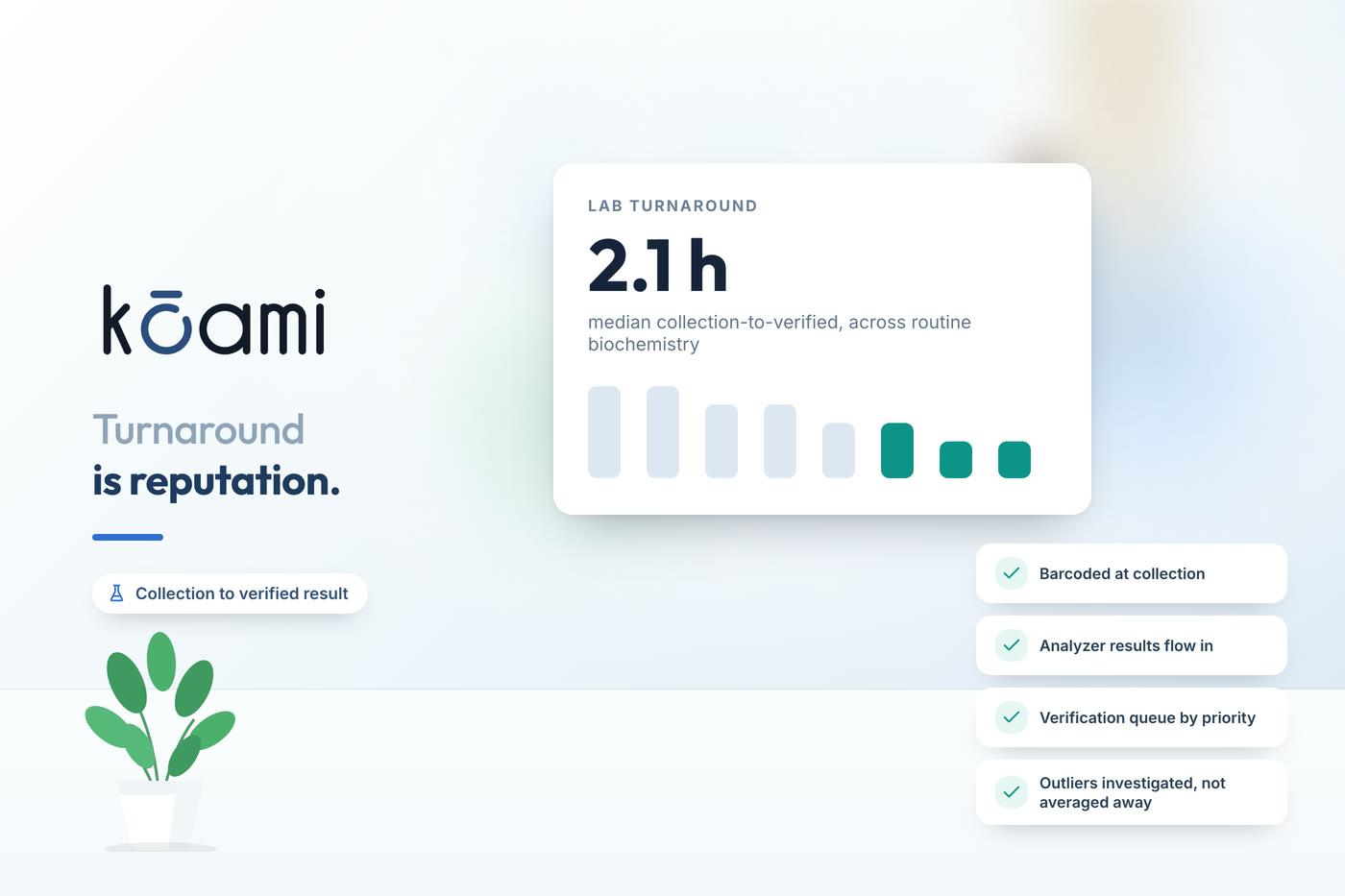
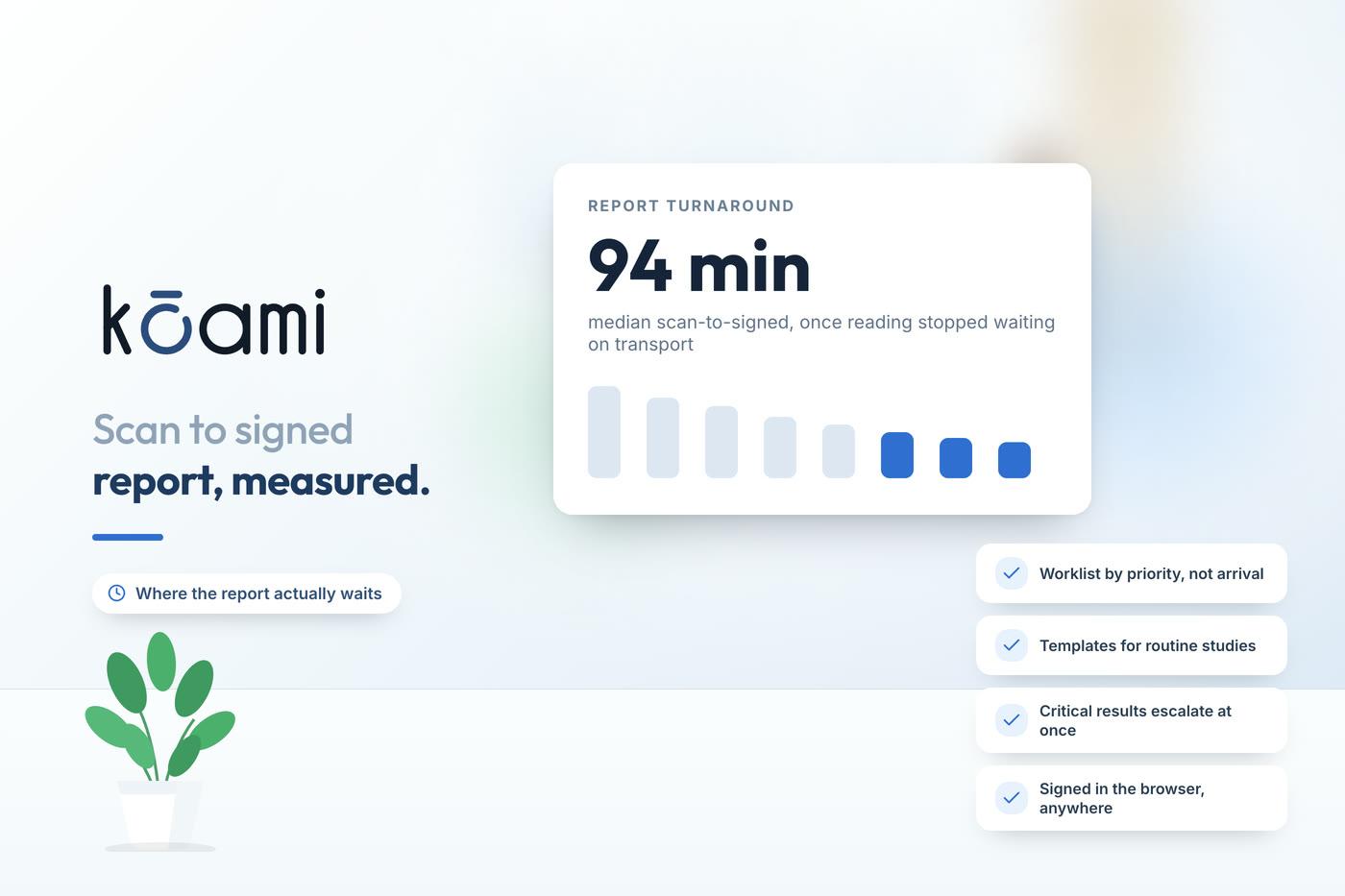
Approved reports to patients and referrers automatically, with turnaround measured in segments so the failing step is identifiable rather than averaged away.
What to test in a diagnostics demo
The combined-modality case is the one that breaks two-system setups. Ask for it first.
- Register one patient for a blood test and a CT, and produce one bill.
- Collect and barcode a sample, then show collection time against order time.
- Pull a result electronically from an analyser rather than typing it.
- Hold an abnormal result for validation, approve it, and show who approved.
- Open a large CT in a browser with nothing installed, and time it.
- Deliver both reports to the referring doctor and to the patient.
- Report turnaround in segments, at median and ninetieth percentile.
- Apply a corporate and a camp rate card to the same test.
How it connects
Laboratory information system
Order to sample to result to approval, with analyser interfacing and TAT reporting.
Read moreRadiology information system
Worklist, browser DICOM viewing, structured reporting and secure sharing.
Read moreHospital billing software
One tariff engine across pathology and imaging, with corporate and referrer rate cards.
Read moreGo deeper
Frequently asked questions
Bring a combined case
One patient, one blood panel, one CT, one referrer. How cleanly that runs end to end tells you more than any feature list.
Book a demo