
Laboratory information system (LIS). Turnaround you can defend.
A hospital laboratory is judged on one thing above all others: whether the result reaches the clinician in time to change what happens to the patient. A report that lands after the morning ward round has not cost five hours. It has cost a day, because the consultant who would have acted on it will next see the patient tomorrow.
The laboratory in Kōami runs order to sample to result to approval on the same record as the consultation that ordered it, with turnaround measured as a property of the workflow rather than assembled monthly from a spreadsheet.
What is a laboratory information system (LIS)?
A laboratory information system manages the full path of a diagnostic test: the order, sample collection and barcoding, receipt and accessioning, result entry or capture from an analyser, validation and approval, and release of the report to the ordering clinician and the patient record. It also holds the quality control, competency and calibration evidence a laboratory needs for accreditation.
What the system has to do
Order to report, in one chain
Tests ordered from the chart reach the laboratory directly, and the approved result returns to the patient record without re-entry at either end.
Barcoded sample collection
Collection recorded against the patient and the sample, which is where most pre-analytical errors are either created or prevented.
Analyser interfacing
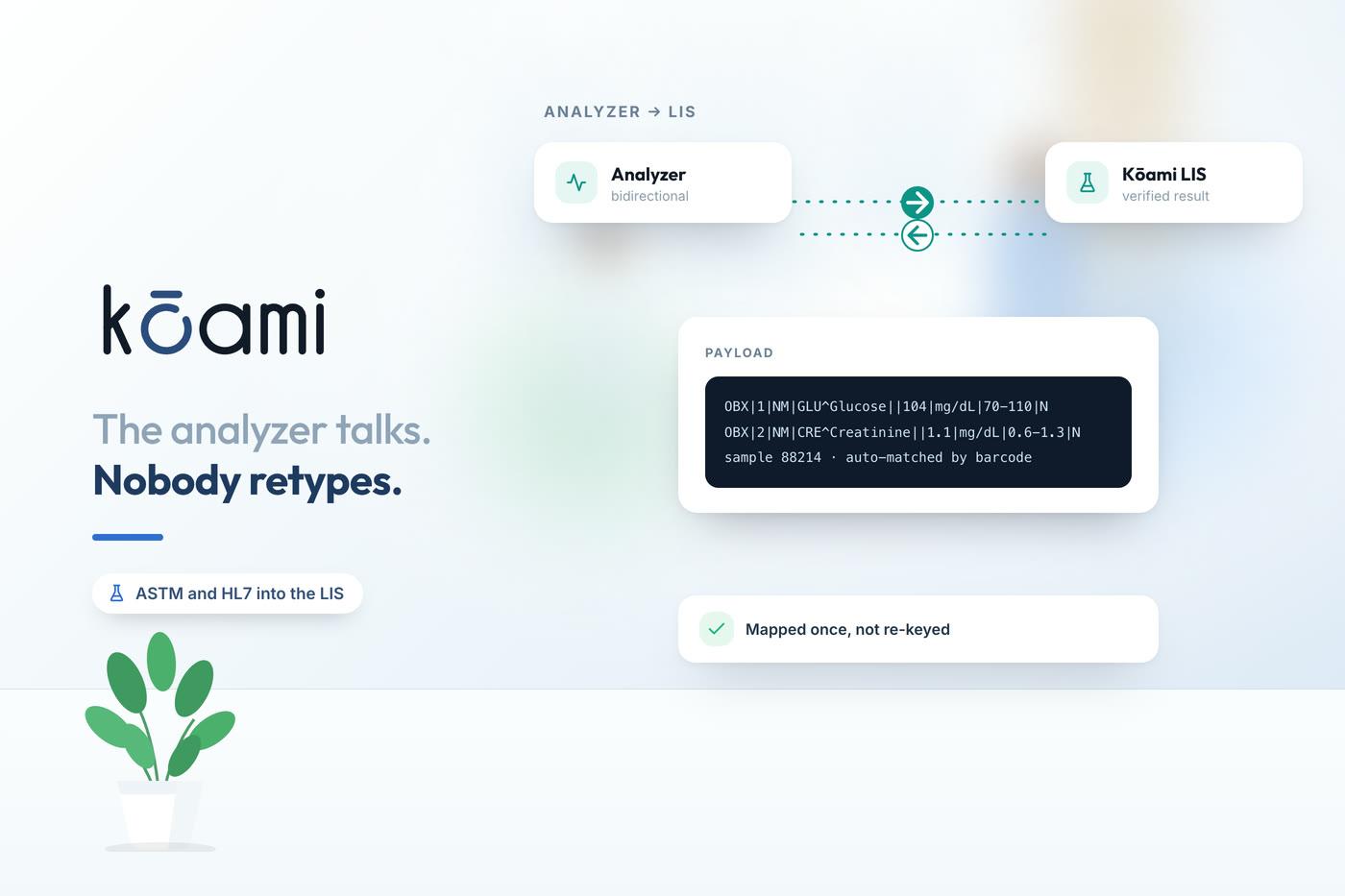
Results arriving electronically from instruments rather than being typed, which removes both the transcription delay and the transcription error.
Validation and approval
Rules that hold a result for review rather than releasing everything, with the approving person recorded against the release.
TAT reporting
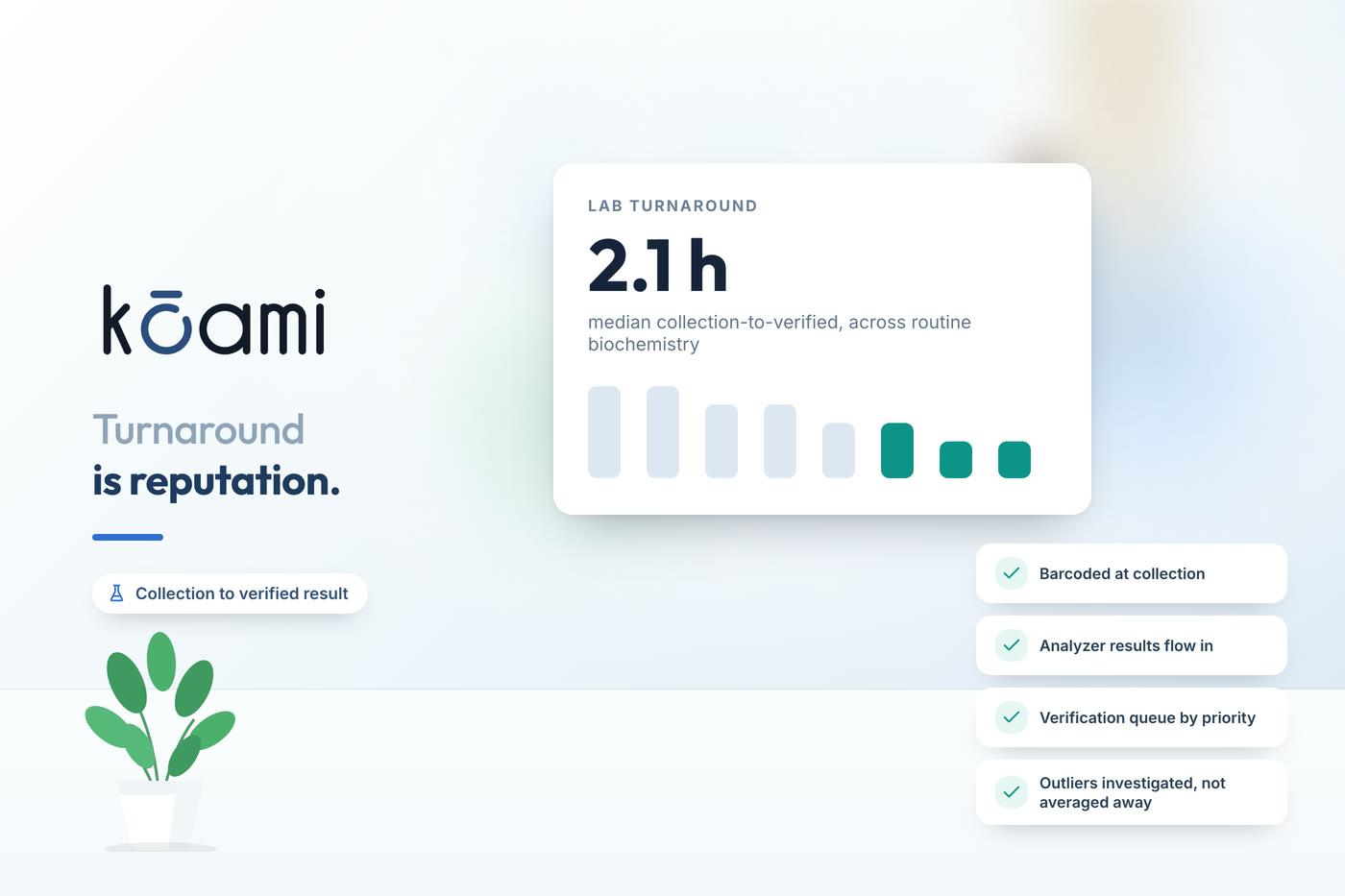
Turnaround measured in segments — order to collection, collection to receipt, receipt to result, result to approval — so the step that fails is identifiable rather than averaged away.
Amendments with an honest trail
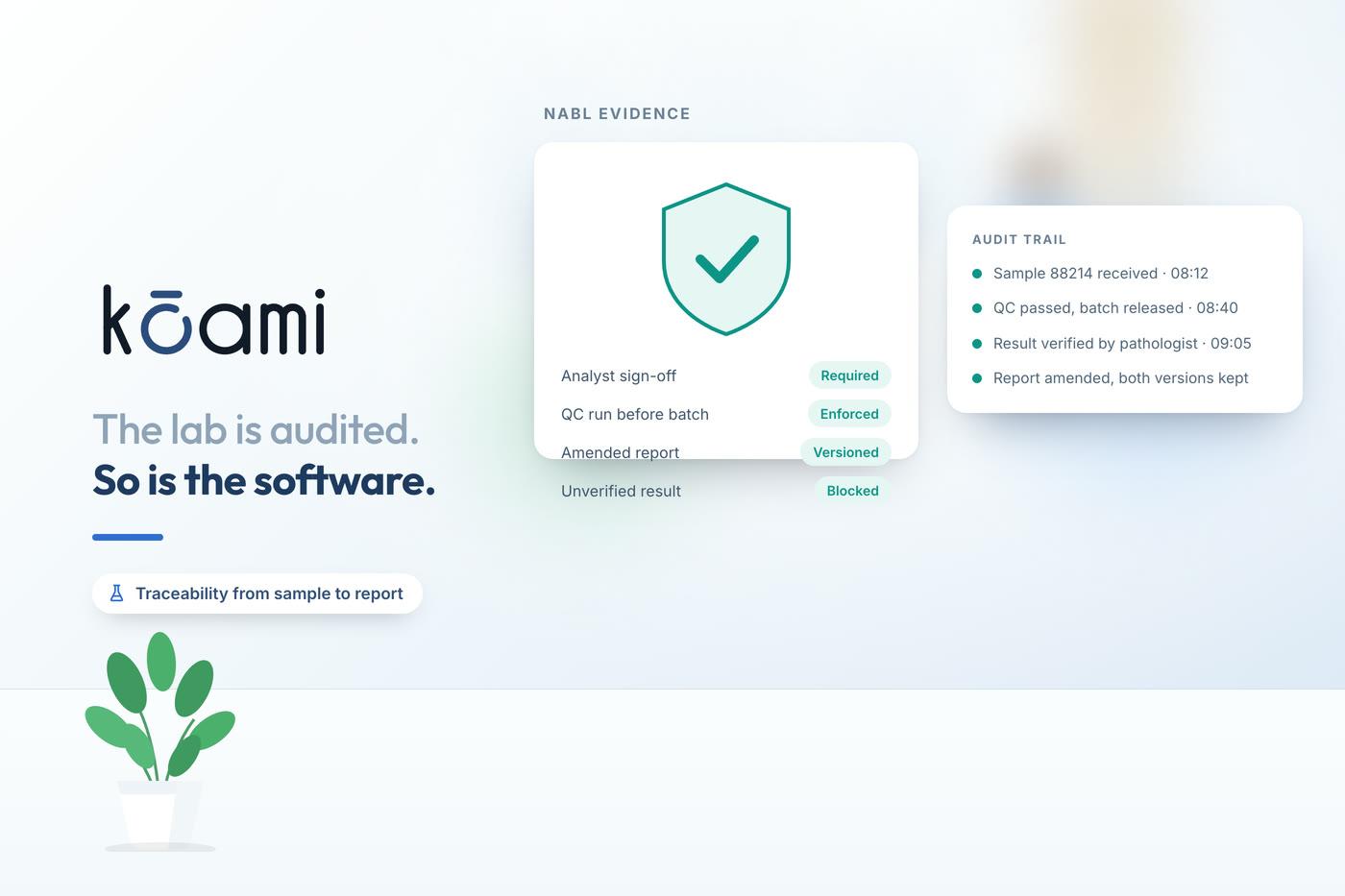
A corrected report shows that it was corrected, what changed and who changed it, which is what an assessor asks for and what a clinician needs.
What a NABL-minded buyer should test
Accreditation asks the laboratory to produce evidence, and evidence is either a by-product of the workflow or a scramble before the assessment.
- Order a test from a consultation and show it arriving in the laboratory.
- Collect and barcode a sample, then show the collection time against the order time.
- Pull a result electronically from an analyser rather than typing it.
- Hold an abnormal result for validation, then approve it and show who approved.
- Amend a released report and show what the audit trail records.
- Report TAT broken into segments, at median and ninetieth percentile.
- Show quality control recorded at the time it was run, not backfilled.
- List every calibration and competency record expiring in sixty days.
How it connects
Kōami Hospital
The laboratory is a module of the HMS, so orders, results and charges share the patient record rather than crossing an interface.
Read moreKōami PACS
Imaging runs the same order-to-report pattern, with the report returning to the same chart.
Read moreHospital billing software
A fulfilled order raises its charge, so investigation revenue does not depend on somebody remembering.
Read moreGo deeper
Frequently asked questions
Bring your analyser list
Interfacing is where laboratory projects overrun. Send the make and model of every instrument and we will tell you what each one takes.
Book a demo