AI-Driven Ward Scheduling & Optimal Care
Published
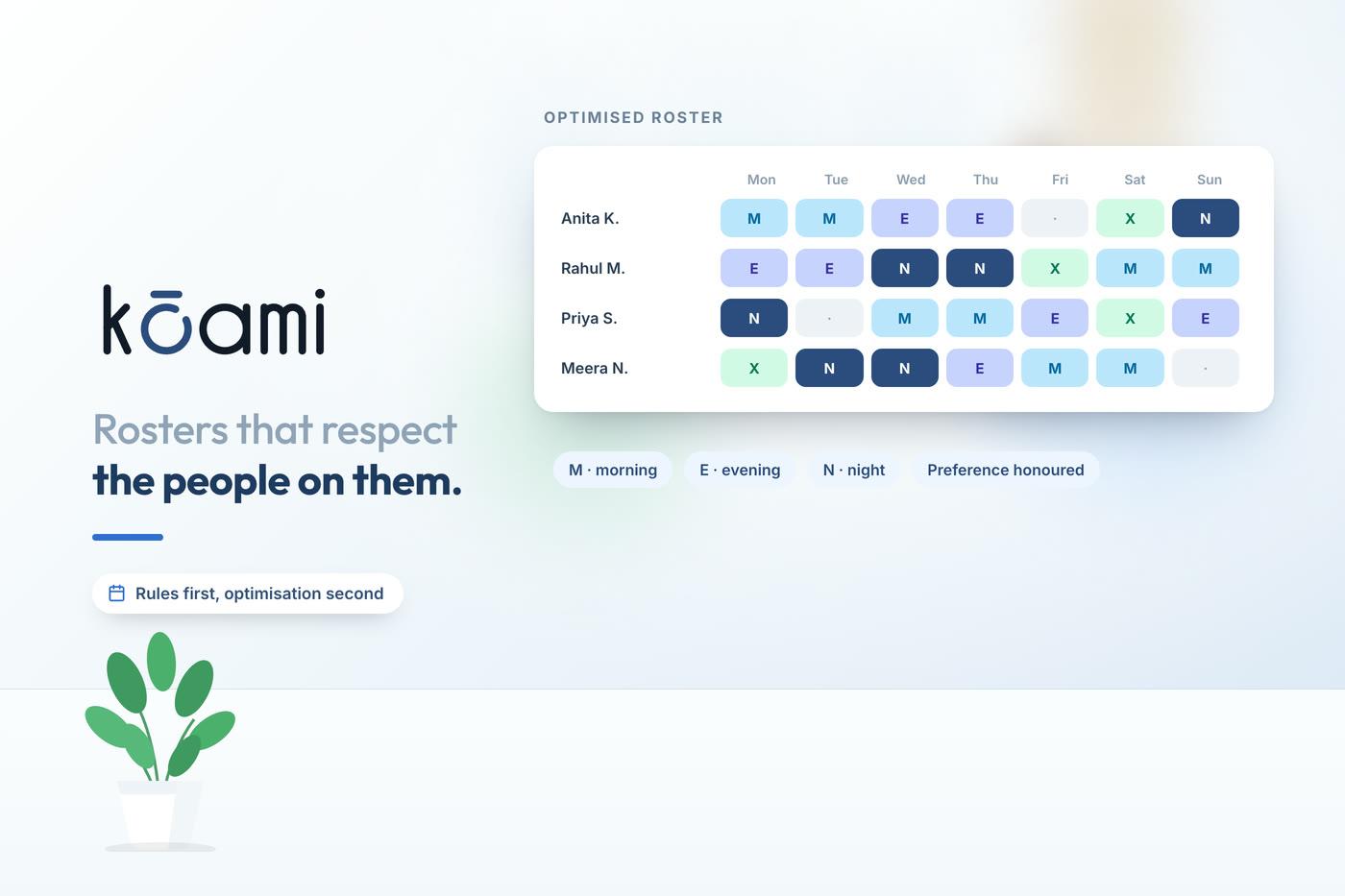
Any charge nurse can tell you that a ward schedule looks tidy on paper and falls apart by 10am. A patient in bed 12 deteriorates, two admissions arrive from OPD at once, a senior resident gets pulled into theatre, and the careful staffing plan built the night before is suddenly wrong. Ward scheduling is not really a rostering problem. It is a live matching problem between the acuity of the patients in front of you and the skills, hands, and beds available right now. AI helps most when it treats it exactly that way.
Scheduling is an acuity problem, not a headcount problem
The old way of planning a shift counts people. Six nurses for thirty beds, tick, move on. It ignores the fact that three of those beds hold stable post-operative patients waiting for discharge while two hold unstable IPD cases who need hourly observations. A model that reads live signals from the EMR can weight the ward by workload rather than by bed count.
The inputs that actually matter are already flowing through the system:
- ADT events that tell you who was admitted, transferred, or discharged in the last hour
- MEWS or early-warning scores trending up on specific patients
- Nursing task load: due medications, dressing changes, drain checks, vitals frequency
- Skill mix on the floor, including who is credentialed for high-dependency care
- Pending OPD-to-IPD conversions and expected theatre returns
When Kōami's scheduling layer combines these, the output is not a fixed roster. It is a ranked picture of where the pressure is building, so the nurse in charge can move one person from a settling bay to the bay that is about to get busy.
Predicting the next four hours, not the next month
Long-range rosters still matter for fairness and for leave planning. But the value of AI shows up in the short horizon. If admission patterns from the last several weeks show that Monday mornings bring a surge of post-weekend OPD referrals into IPD, the model can flag that surge before it lands, not after the beds are full.
The best schedule is the one that is already adjusting while the shift is still calm.
A short-horizon forecast lets the ward do three practical things. It can hold a float nurse instead of releasing one early. It can sequence discharges so beds open before the predicted admissions arrive. And it can warn the bed manager that the ward will breach its safe ratio in about two hours unless something changes, which is a very different conversation from discovering the breach once it has happened.
Keeping the human in charge of the roster
Clinicians are right to be wary of a black box that reshuffles their day. A scheduling model earns trust by being legible. Every suggestion should carry its reason: this bay is flagged because two patients crossed a MEWS threshold and three medications are due within the hour. The charge nurse can accept, ignore, or override, and the override is data, not defiance. Over time those overrides teach the system where its assumptions are wrong.
Good practice here mirrors safe clinical workflow. The AI proposes; a named human disposes. Assignments still respect the constraints that no algorithm should quietly break: statutory rest between shifts, credentialing rules, and continuity of care so a patient is not handed between four different nurses in one afternoon. When the tool respects those guardrails, staff stop treating it as an adversary and start treating it as an extra set of eyes on the whole floor.
What optimal care actually looks like on the floor
Optimal is a loaded word, so it helps to be concrete about the outcomes a scheduling model should move.
- Fewer moments where a deteriorating patient waits because the nurse who noticed is tied up three beds away
- Shorter gaps between a discharge decision and the bed being ready for the next admission
- More even task loads, so one nurse is not carrying eight heavy patients while a colleague carries four light ones
- Cleaner handovers, because the system already knows who held which patients and for how long
None of this replaces judgement. A patient who looks stable on every number can still be the one the experienced nurse wants to sit closest to, and the schedule has to bend to that. The point is to remove the avoidable friction: the reshuffles that happen too late, the surges nobody saw coming, the quiet inequities in who carries the heaviest bay.
Making it usable during a bad shift
A scheduling tool that demands attention during a crisis is worse than useless. The interface has to survive the reality of a busy ward, where nobody has a spare hand to click through five screens. That means suggestions surface where staff already look, whether that is the ward board or the handover view, and it means the number of alerts stays low enough that people still read them.
Integration is what makes this practical. Because the scheduling layer sits alongside the same records that drive admissions, orders, and observations, it does not ask anyone to enter data twice. The ADT feed updates the workload picture automatically. When a patient is discharged in the EMR, the bed frees in the schedule in the same moment. This tight coupling is the difference between a planning tool people use and a planning tool that gathers dust.
Ward scheduling will never be fully solved, because the ward will never stop surprising you. What AI can do is shrink the window between a change on the floor and the response to it, so that the plan bends early instead of breaking late. Done well, it gives the charge nurse back the thing the job keeps stealing: a few minutes of warning.
Follow Kōami on LinkedIn
Get the next guide on hospital operations, software and compliance in your feed, as soon as it is published.