Admission to Discharge: Where the Hours Actually Go
Published
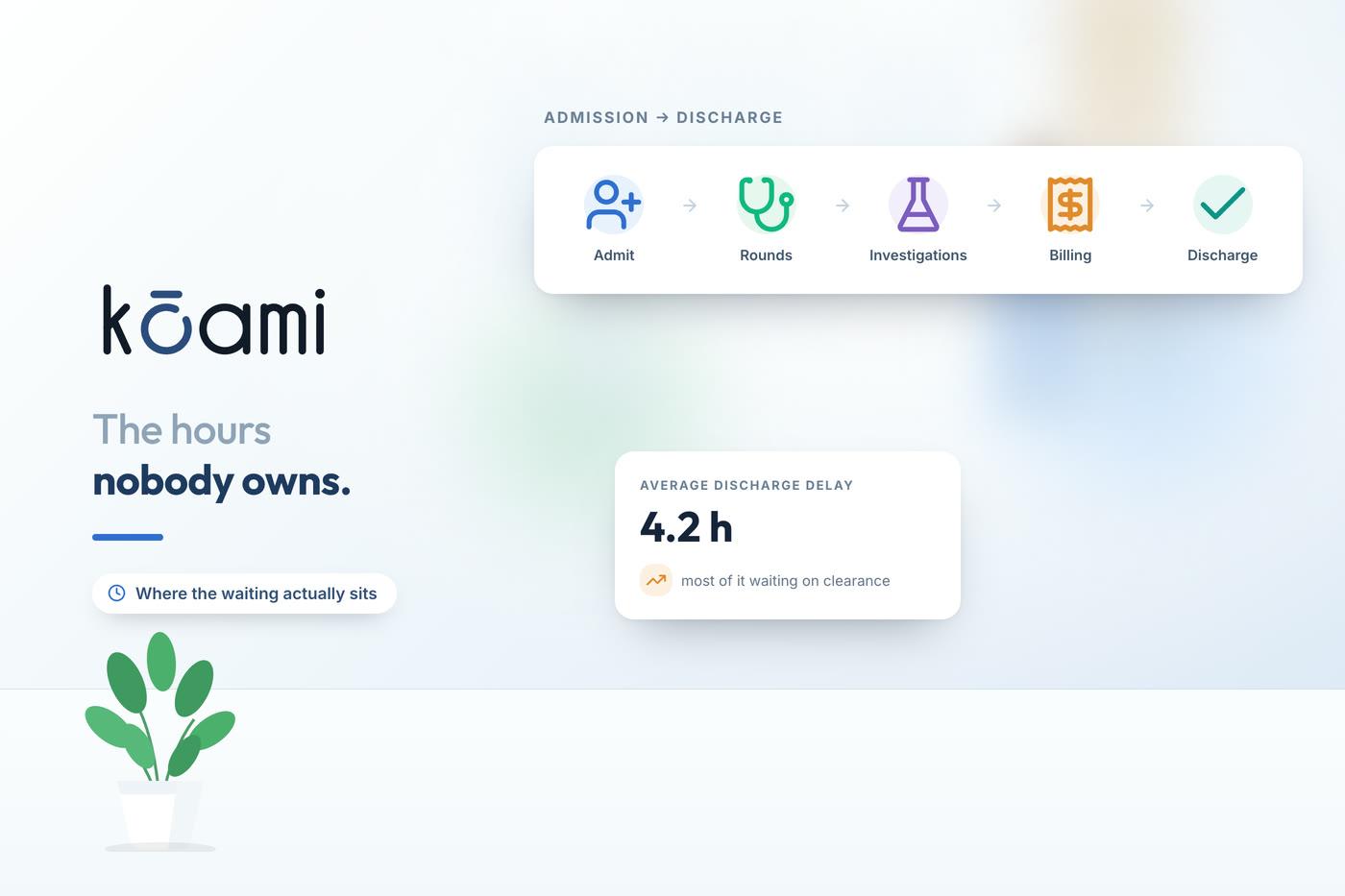
A hospital that shortens its average length of stay by half a day has, in effect, built new beds. No construction, no equipment, no additional staff. It is the cheapest capacity a hospital can create, and most hospitals leave a great deal of it on the table.
The reason they leave it there is that length of stay gets treated as a clinical variable, which it partly is, and therefore as something administrators should not touch. But the clinical component is not where the slack is. The slack is in waiting, and waiting is an operations problem.
What actually determines length of stay?
Clinical need sets the floor. Almost everything above that floor is waiting for something or someone.
Break a typical surgical admission into its parts and the pattern is obvious. There is time spent receiving treatment, and there is time spent waiting for a bed to be cleaned, waiting for a pre-operative investigation to come back, waiting for a theatre slot, waiting for a consultant to round, waiting for a report to be reported, waiting for a physiotherapy assessment, waiting for the discharge decision to become a discharge.
In most Indian hospitals the treatment time is a minority of the stay. That is not a criticism of the clinicians; it is the arithmetic of any system where multiple specialised resources have to be sequenced.
Where does the admission itself lose time?
At the front door, in the gap between the decision to admit and the patient physically occupying a bed.
The common failures are all coordination failures:
- The bed is nominally free but has not been cleaned, and nobody told housekeeping
- The bed is allocated by a phone call, so two people allocate the same one
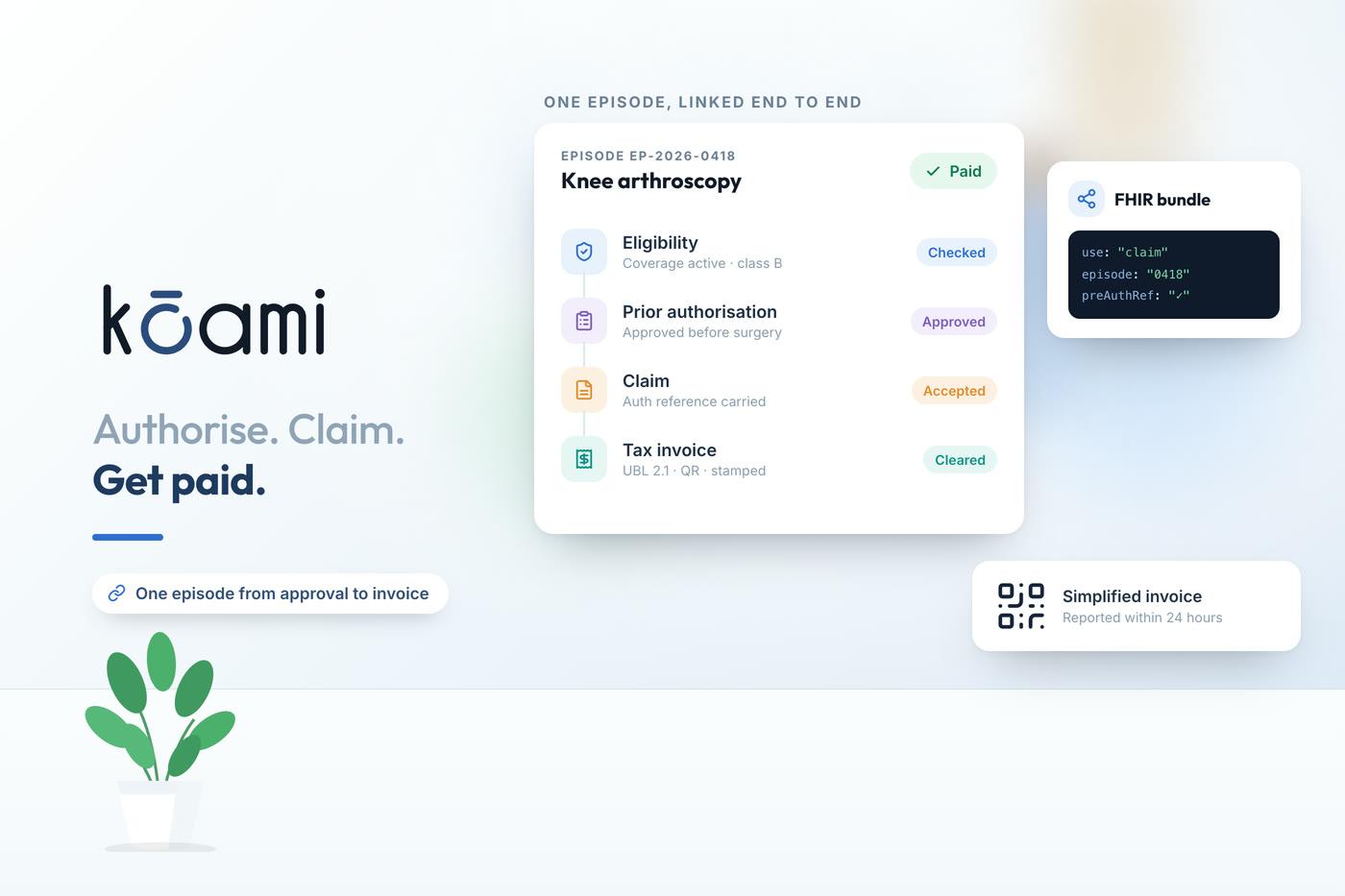
- The admission paperwork and the payer approval run in sequence rather than in parallel
- A planned admission arrives without its pre-operative investigations, which then happen as an inpatient at full cost in time and money
The fix for the first two is a live bed state that everyone reads from, where a discharge automatically raises a cleaning task and the bed becomes bookable only when housekeeping closes it. We covered the mechanics in live bed management from ADT to discharge.
The fix for the fourth is doing the work-up as an outpatient. A planned surgical admission whose investigations, anaesthetic assessment and payer approval are complete before arrival can go to theatre the next morning instead of losing a day.
Most of the length of stay a hospital can actually control is at the two ends. The middle belongs to the clinicians. The admission day and the discharge day belong to operations.
Which delays inside the stay are worth attacking first?
The ones that block a decision, because a delayed decision costs a whole day rather than a few hours.
A report that arrives at four in the afternoon rather than eleven in the morning does not cost five hours. It costs a day, because the consultant who would have acted on it has already rounded and will next see the patient tomorrow. The same is true of a specialist opinion requested in the afternoon, a theatre slot missed by an hour, and a physiotherapy assessment that happens on day three because that is when the request reached the department.
This is why turnaround time on diagnostics is a length-of-stay lever and not merely a laboratory metric. If your ward rounds happen between nine and eleven, then any investigation whose result lands after eleven has effectively lost a day. Getting routine morning bloods reported before the round is worth more than shaving an hour off the average. The distinction between the median and the tail is set out in turnaround time, the metric that runs a lab, and the imaging equivalent in radiology report turnaround.
How do you fix the discharge day?
Decide the day before, prepare in parallel, and stop treating discharge as an event that begins when the consultant says so.
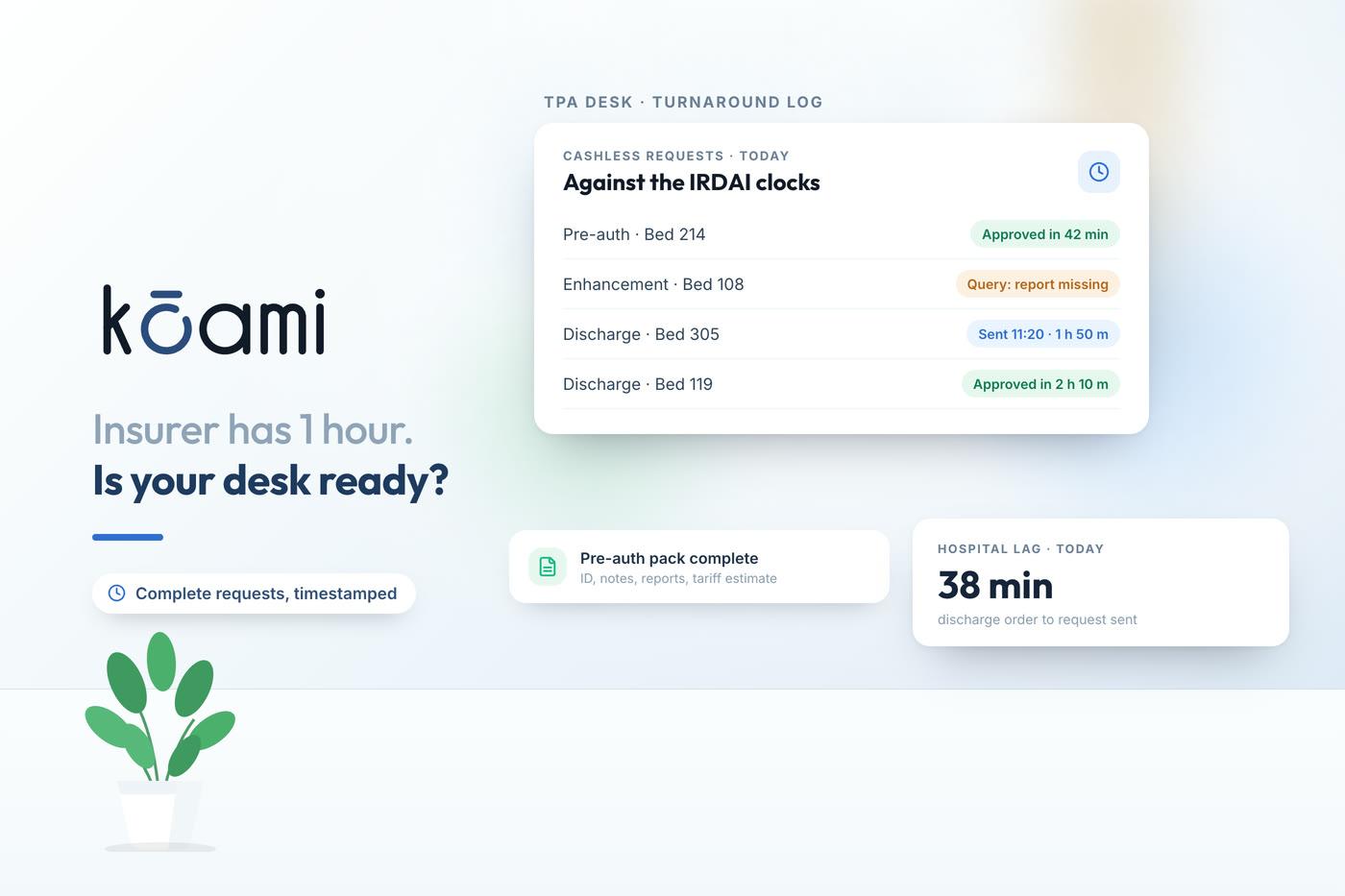
The single highest-yield change available to most hospitals is the expected date of discharge, set at admission and revised daily. It sounds trivial. It changes everything downstream, because it lets pharmacy prepare the take-home medication, billing prepare a provisional bill, the insurance desk seek final approval, and the family arrange transport, all before the morning of discharge rather than during it.
The second change is making the discharge decision a system event rather than a verbal one. When the consultant marks the patient for discharge on the round, the ward, pharmacy, billing, housekeeping and the insurance desk should all learn simultaneously and begin their part concurrently. Sequential handoffs are what turn a ninety-minute discharge into a five-hour one. Why discharge takes so long goes through this in detail, and the billing half of it is in cutting hospital billing time.
The third is the discharge summary. If it is written from scratch at discharge, it is a bottleneck and it is worse quality. If it accumulates through the stay from the notes already recorded, it is a review task that takes minutes.
What should a hospital measure, and how?
Six numbers, and the interval measures matter more than the averages.
- Average length of stay, case-mix adjusted, by speciality and by consultant
- Time from admission decision to bed occupancy
- Time from discharge decision to bed vacated
- Time from bed vacated to bed ready
- Proportion of discharges completed before noon
- Number of patients medically fit but not discharged, counted daily
The last one is the most honest number in the list, and the one most hospitals do not collect. A daily count of patients who are clinically ready to leave but are still in a bed tells you exactly how much capacity your processes are consuming.
How Kōami compresses admission to discharge
Kōami Hospital puts admission, bed state, clinical orders, pharmacy, diagnostics, billing and discharge on one record, which removes most of the handoffs where the hours are lost.
- IPD, beds and ADT are live. Admission, transfer and discharge update ward and bed occupancy as they happen, and a vacated bed raises its own cleaning task rather than waiting for a phone call.
- An "Initiate Discharge" action on the round is the trigger. Pharmacy reconciliation, ward consumption confirmation, provisional billing and payer approval start together instead of in sequence.
- Orders placed from the chart reach the lab and the modality worklist directly, and results and turnaround post back automatically, so the diagnostics that gate a decision are visible to the person who has to make it.
- Discharge summaries build from the consultation and nursing notes already in the chart, so the summary is reviewed rather than composed.
- Nursing charting, vitals and clinical scores live in the same record, so the information a consultant needs on the round is on one screen rather than in three places.
- Because inventory and pharmacy share the same stock backbone, take-home medication and unused returns reconcile without a separate posting step.
Length of stay is the one operational metric that improves capacity, revenue and patient experience simultaneously. If you want to see where your own hours are going, bring a month of admission and discharge timestamps to a demo and we will map them against the flow above.
Follow Kōami on LinkedIn
Get the next guide on hospital operations, software and compliance in your feed, as soon as it is published.